Angioplasty Doctor Thrissur
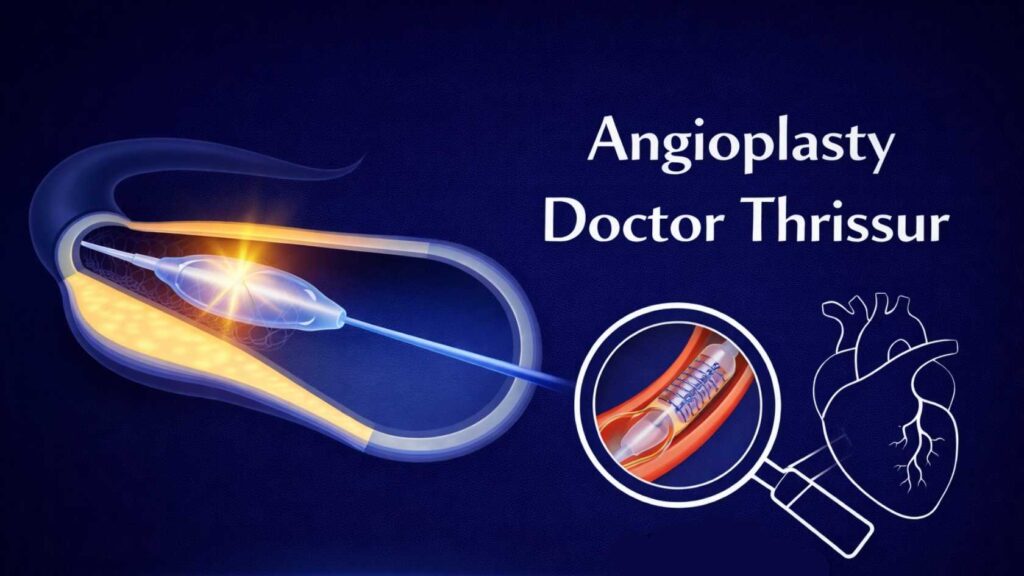
When it comes to advanced cardiac care, choosing the right angioplasty doctor Thrissur residents trust is essential for ensuring safe and effective treatment. Heart diseases, especially blocked arteries, have become increasingly common due to modern lifestyle factors. With timely diagnosis and expert intervention, angioplasty has emerged as one of the most reliable and minimally invasive procedures to restore proper blood flow to the heart.
Understanding Angioplasty
Angioplasty, also known as coronary angioplasty or percutaneous coronary intervention (PCI), is a medical procedure used to open blocked or narrowed coronary arteries. It involves inserting a thin tube called a catheter into the artery and using a small balloon to widen the blockage. Often, a stent is placed to keep the artery open.
This procedure is widely recommended for individuals suffering from reduced blood flow to the heart, which can lead to serious complications if left untreated.
Why Angioplasty is Needed
An angioplasty doctor evaluates several factors before recommending this procedure. Angioplasty is typically required when:
- Arteries are blocked due to plaque buildup
- Patients experience chest pain (angina)
- There is a risk of heart attack
- Medications are not effective in controlling symptoms
- Blood flow to the heart is significantly reduced
Early detection and treatment can prevent life-threatening conditions and improve heart function.
Types of Angioplasty Procedures
A skilled angioplasty doctor Thrissur focuses on selecting the most appropriate method based on the patient’s condition.
1. Balloon Angioplasty
This involves inflating a balloon inside the artery to widen it and improve blood flow.
2. Stent-Assisted Angioplasty
A stent is placed in the artery to keep it open after the balloon is removed.
3. Laser Angioplasty
A laser is used to break down plaque deposits in the artery.
4. Rotational Angioplasty
A rotating device is used to remove hardened plaque in severely blocked arteries.
Symptoms That Indicate the Need for Angioplasty
You should consult an angioplasty doctor if you experience:
- Persistent chest pain
- Shortness of breath
- Fatigue during physical activity
- Pain in the arms, neck, or jaw
- Irregular heartbeat
These symptoms may indicate underlying heart problems that require immediate attention.
Angioplasty Procedure Step-by-Step
Angioplasty is a structured and safe procedure performed in a cardiac catheterization lab.
Step 1: Preparation
The patient is given local anesthesia, and a catheter is inserted through the wrist or groin.
Step 2: Imaging
A contrast dye is injected to identify blockages using advanced imaging techniques.
Step 3: Balloon Inflation
A small balloon is inflated at the blockage site to open the artery.
Step 4: Stent Placement
If required, a stent is placed to keep the artery open.
Step 5: Completion
The catheter is removed, and the patient is monitored.
The entire procedure usually takes 30 minutes to 2 hours.
Benefits of Angioplasty
Choosing an experienced angioplasty doctor Thrissur ensures several benefits:
- Minimally invasive procedure
- Faster recovery time
- Immediate relief from symptoms
- Reduced risk of heart attack
- Short hospital stay
- Improved quality of life
Risks and Complications
Although angioplasty is generally safe, some risks may include:
- Bleeding at the insertion site
- Blood clots
- Artery damage
- Allergic reaction to dye
- Re-narrowing of the artery
These risks are minimal when the procedure is performed by a qualified specialist.
Recovery After Angioplasty
Recovery is usually quick and smooth with proper care.
Immediate Recovery:
- Hospital stay of 1–2 days
- Monitoring of heart condition
- Medications to prevent clotting
Long-Term Recovery:
- Regular follow-ups
- Lifestyle modifications
- Gradual return to normal activities
Most patients can resume daily activities within a week.
Lifestyle Changes After Angioplasty
Maintaining a healthy lifestyle is essential for long-term success:
- Eat a balanced, heart-healthy diet
- Exercise regularly
- Avoid smoking and alcohol
- Manage stress
- Maintain healthy weight
- Take prescribed medications consistently
These changes help prevent future blockages.
Importance of Choosing the Right Specialist
Selecting a qualified angioplasty doctor ensures:
- Accurate diagnosis
- Safe and effective procedure
- Use of advanced technology
- Reduced complications
- Better long-term results
Experience and expertise play a major role in successful outcomes.
Advanced Technology in Angioplasty
Modern angioplasty procedures use cutting-edge technology such as:
- Digital angiography
- Intravascular ultrasound (IVUS)
- Optical coherence tomography (OCT)
- Drug-eluting stents
These technologies improve precision and treatment success.
Preventing Heart Disease
Preventive care is crucial to avoid serious heart conditions:
- Regular health check-ups
- Monitor blood pressure and cholesterol
- Control diabetes
- Stay physically active
- Follow a nutritious diet
Early intervention can significantly reduce risks.
Cost Factors of Angioplasty
The cost of angioplasty may vary depending on:
- Type of procedure
- Hospital facilities
- Use of stents
- Complexity of the case
- Pre- and post-treatment care
Despite variations, it is a cost-effective solution compared to untreated heart disease.
When to Seek Immediate Medical Help
Consult an angioplasty doctor immediately if you notice:
- Severe chest pain
- Sudden shortness of breath
- Sweating and dizziness
- Pain radiating to arm or jaw
- Signs of heart attack
Timely treatment can save lives.
Why Early Diagnosis Matters
Early diagnosis allows:
- Faster treatment
- Less invasive procedures
- Better success rates
- Reduced complications
- Improved quality of life
Routine screenings are especially important for high-risk individuals.
Why Choose an Angioplasty Doctor Thrissur
An angioplasty doctor Thrissur provides comprehensive cardiac care using advanced techniques and modern facilities. From diagnosis to recovery, patients receive personalized treatment plans designed to ensure the best possible outcomes. With a focus on safety and precision, angioplasty procedures are performed efficiently to restore heart health and improve overall well-being.
Conclusion
Choosing the right angioplasty doctor Thrissur patients rely on is essential for effective heart treatment and long-term wellness. Angioplasty has become a safe and highly successful procedure for treating blocked arteries, thanks to advancements in medical technology. With early diagnosis, expert care, and proper lifestyle changes, patients can achieve excellent recovery and prevent future heart problems. Prioritizing heart health and seeking timely medical attention ensures a healthier and more active life in Thrissur.
Frequently Asked Questions
1. What is angioplasty?
Angioplasty is a minimally invasive procedure used to open blocked or narrowed arteries and restore proper blood flow to the heart.
2. Who needs angioplasty?
People with coronary artery disease, chest pain, or reduced blood flow to the heart may need angioplasty.
3. How safe is angioplasty?
Angioplasty is considered a safe and effective procedure when performed by an experienced specialist.
4. How long does an angioplasty procedure take?
The procedure usually takes between 30 minutes to 2 hours depending on the condition.
5. What is the recovery time after angioplasty?
Most patients recover within a few days and can return to normal activities within a week.
6. Is angioplasty painful?
No, it is performed under local anesthesia, so patients do not feel pain during the procedure.
7. Will a stent be required during angioplasty?
In most cases, a stent is placed to keep the artery open and prevent re-blockage.
8. Are there any risks involved in angioplasty?
Risks are minimal but may include bleeding, clotting, or rare complications.
9. Can angioplasty prevent heart attacks?
Yes, by improving blood flow, angioplasty significantly reduces the risk of heart attacks.
10. When should I consult an angioplasty doctor?
You should consult a doctor if you experience chest pain, shortness of breath, or symptoms of heart disease.